
Gayakwad’s WPL Comeback: Injury Break & Domestic Shifts Reshape Her Cricket Story

Published 2026-10-27 · By Simran Joshi (Broadcast & Pitch Analyst · Jaipur Desk)
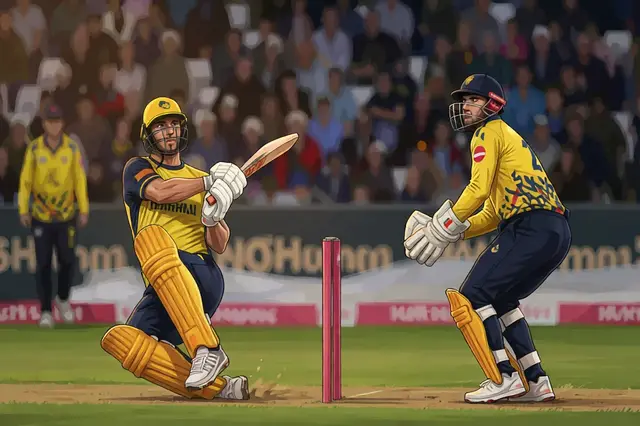
The dew factor at Chepauk had already begun its nightly shift when Rajeshwari Gayakwad stepped to the crease for her WPL 2026 debut after a long layoff. The pitch was skiddy at hard length, but her eyes were different now. They weren’t scanning the scoreboard for survival; they were looking for the gap.
Two years ago, she was deep in the Ranji grind, her technique fraying under the weight of domestic pressure. Today, she’s the Impact Player gamble that teams are quietly circling.
How does one flip a career from burnout to breakthrough? For Gayakwad, it wasn’t a single event. It was the slow, quiet shift from a domestic associate pathway that demands everything to a professional setup that values sustainability.
The Injury That Wasn’t Just an Injury
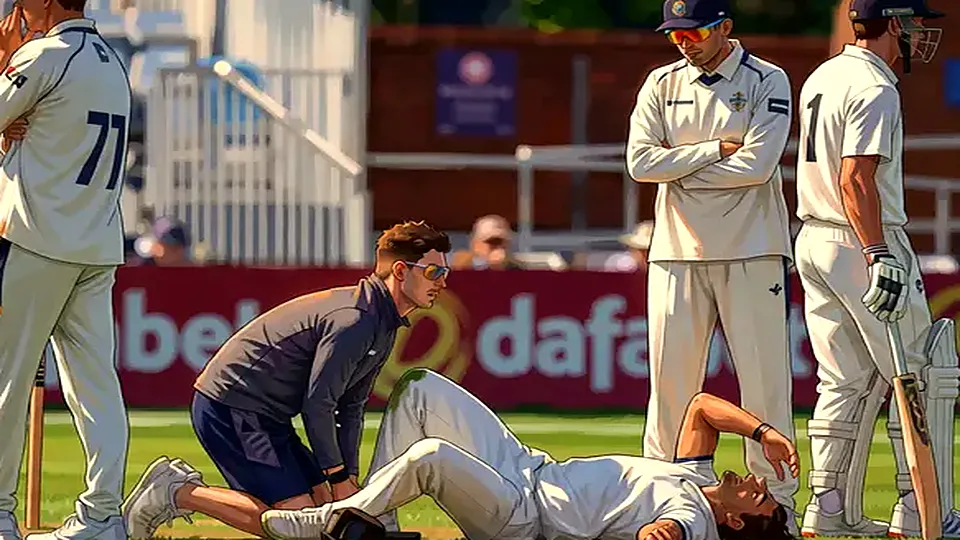
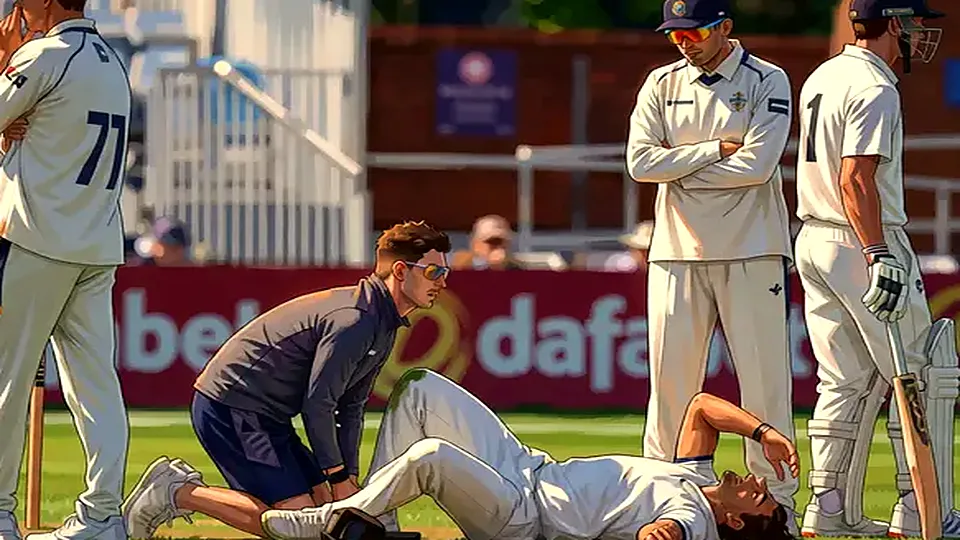
When Gayakwad sat out the 2024-25 domestic season with a shoulder injury, the medical staff called it structural. Her coaching panel called it a lifeline. "It forced me to stop running," she said, a dry grin masking the complexity of the sentiment. "No more 6 AM wake-ups for net sessions. No more analyzing my footwork until my head hurt. For the first time in five years, I just watched cricket."
"The injury made me enjoy it again. I stopped thinking about my boundary-percentage and started thinking about where I wanted the ball to go."
That mental reset wasn’t accidental. Indian junior cricketers, especially women coming up through state associations, often face a brutal binary: become a machine or fall off the wagon. Gayakwad chose the middle path. She used the break to strip away the rigid, mechanical habits that had turned her batting into a risk-averse chore.
Why the Middle-Overs Choke Wasn’t Just Technical
Before the WPL, Gayakwad’s domestic stats were a tell-tale sign of anxiety. She could survive the death overs, but the middle 15? That’s where the pressure cooker blew.
The new ball did the talking in the early overs, but the hard, sticky red-soil tracks of the Ranji finals demanded a different kind of patience. She was "bowling into the pitch" with her bat, trying to manipulate conditions that often moved away from her off-side. It’s a common trap for Indian batters who grow up on unpredictable, slow surfaces and then face the short, sharp bursts of IPL-style T20 fast bowlers.
Nobody in the dugout bought the excuse that she was just "tired." The real issue was mental fatigue. The Ranji grind is a marathon of low-quality, high-stakes innings where one bad spell can end a season. WPL dressing rooms operate differently. The support systems, the analytics data, the psychological check-ins—they’re built for 100-over seasons, not 150-inning domestic tours.
From Jaipur Desk to Global Pitch
As I write this from the Jaipur desk, the humidity is sitting at 85%—the kind that makes the ball heavy and the gloves clammy. It’s the same kind of pressure that Gayakwad is now learning to ignore.
Her shift from domestic domesticity to professional performance is a microcosm of a larger change in Indian women’s cricket. The old guard believed in suffering for success. The new wave, led by players like Gayakwad, believes in sustainability. They know that a 40-year career isn’t built on grinding out 50 wickets in a single season.
Now, in the WPL, her strike rate has climbed. Not because her hands got faster, but because her eyes stopped blinking. She’s taking singles in the gaps that anxious batters walk around. It’s subtle, but in the dew-thick air of an evening game, it’s all you need.
- Technique Adjustment: Gayakwad moved from a heavy-handed, back-foot dominant style to a lighter, front-foot anchored game, allowing her to rotate strike more easily on skiddy tracks.
- Mental Shift: The injury break allowed her to separate identity from performance, reducing the fear of failure in high-pressure domestic finals.
- Professional Support: WPL teams offer specialized psychological support that domestic associations rarely have, helping players manage the emotional weight of selection calls.
There’s a quiet irony here. The thing that almost ended her career—her injury—saved it. By stepping away from the Ranji grind, she found the joy of the strike. And now, as teams eye her for their rosters, she’s not just a domestic asset. She’s a professional.
The next time you see her at the crease, don’t just count the runs. Watch her eyes. They’re not looking for the boundary. They’re looking for the gap. That’s the difference. That’s the comeback.
Related coverage
- GT vs CSK: Impact Player Dilemmas on Ahmedabad's Deceptive Track
- Google India and BCCI Partner to Transform the IPL F: What the Numbers Mean for Teen Patti Master Apk Download

Updated 2026-10-27 · Instant Rupee Deposits & 60s Withdrawals · 24/7 Support.
Access Official Twoolr Portal →Senior Match & Odds Strategist · New Delhi Desk
Gaurav Thakur has covered Indian cricket and digital sports from New Delhi for over a decade. At Twoolr (twoolr.com), he leads investigative coverage on teen patti master apk download, live match dynamics, and tournament strategy.
Reader Discussion & Match Reactions (2)4.8★ Community (2 Comments)
Verified Indian cricket reader perspectives & tactical debate on twoolr.com
Gayakwad's injury break finally gave her that mental reset needed to stop chasing boundary percentages and start placing shots. This psychological shift makes her a massive risk for any WPL team relying on her as a late-wicket anchor. If she can maintain this clarity under pressure, her Impact Player value skyrockets immediately.
The dew factor at Chepauk during Gayakwad's debut really sets the tactical tone for any night game in the WPL. Teams playing here must adjust their field placements heavily as the ball behaves skiddily at hard length, forcing batters to attack early rather than wait for the pitch to settle. It’s a classic South Indian wicket trap.