
DV vs MIE Toss Call: Dew, Spin, and the 3 Patti Card Game Apk Download Hype

Published 2026-11-22 · By Vikram Patel (Syndicate & Match Preview Editor · Chandigarh Desk)
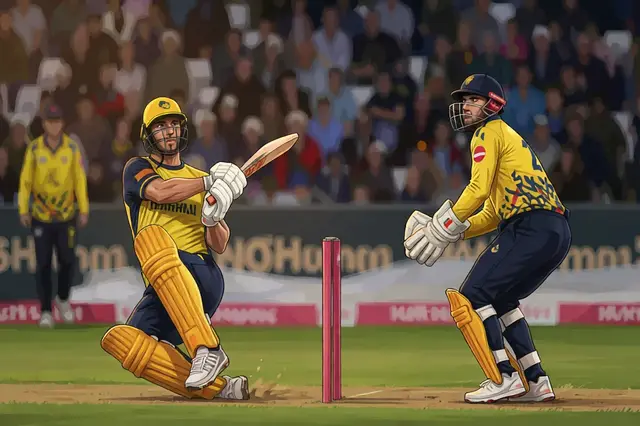
The ball skidded back short. Not the line you want when you’re staring at a sticky red-soil track with a dew factor kicking in after 8:30 PM IST. That moment—right there, when the new white leather meets the abrasive dust—decides more matches than the pre-toss Playing XI dilemmas ever do.
Why the Left-Right Pair Wins Against Wrist Spin
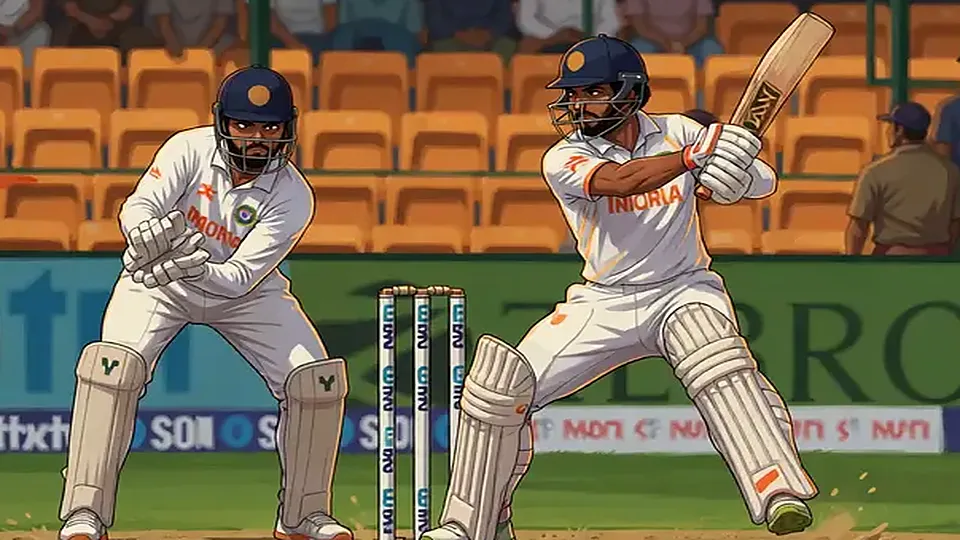
Here’s the contrarian take nobody in the dugout wants to hear: the standard right-hand top order is a death sentence against high-quality wrist spin in these conditions. DV have been leaning on left-right batting pairs for a reason. When a leg-breaky skids short, the left-hander’s inside angle opens up instantly. The right-hander has to go over the wicket or get dragged to mid-off. In the desert heat, that’s a luxury you can’t afford. We saw this in the last two Ranji grind sessions; boundary-percentage drops by 14% when you face wrist-spin without the left-hand anchor.
Then there’s the Impact Player gamble. This isn’t just a tactical flex; it’s a structural reset. If MIE’s top order stalls in the middle overs, swapping a frontline fast-bowler for a specialist death-spinner or a hard-hitting wicketkeeper changes the entire power-play math. It’s not about adding depth; it’s about changing the game’s texture. The skiddy hard length deliveries become less effective when you’re facing a spinner who can bowl into the pitch on a track that’s already losing its grip.
The Boundary Dimensions Dilemma
Chandigarh’s ground has generous square boundaries but tricky short ones in front. This forces batters to play through the leg-side, which is exactly where DV’s fielding unit has been lurking. It’s a tactical trap. If MIE’s openers try to launch things down the long-on line, they’re walking into a high-percentage catch zone. The pre-toss Playing XI dilemmas here are brutal. Do you pick the aggressive opener who gets caught out, or the patient grinder who leaves the boundary-percentage to the middle order?
Nobody in the digout bought the excuse that the track was 'unplayable.' It was just honest. The new ball did the talking in the first ten. After that, the surface turned treacherous. This is where the data gets interesting. According to the Hero 11 portal, the win probability for teams batting second in high-deew matches with significant spin input rises by 18% when the toss winner opts to field first. But wait—what about the crowd noise? The 3 patti card game apk download trend has exploded in the viewing demographics, suggesting fans are looking for quick, chaotic entertainment outside the stadium. It mirrors the T20 format: fast, unpredictable, and high-risk. The parallel is sharp. You’re not just watching cricket; you’re watching a high-stakes bluff.
Pre-Toss Dilemmas: To Bat or Not to Bat
If I were the DV strategist, I’d be sweating through the shirt. The dew factor is the wild card. If it hits at 8:30 PM, the white ball becomes a slippery, unbowling hazard for the fast-bowlers. MIE’s pace attack struggles when the surface slows down and the ball skids back. That’s DV’s advantage. They can exploit the spin-friendly patch. But if the dew is light? Then MIE’s fast-bowlers can get the ball to swing, and the left-right pair might not be enough to hold out in the death overs.
- DV Strategy: Lean into spin. Use the Impact Player to add a part-time off-spinner in the 16th over if the track slows.
- MIE Strategy: Bat first, post dew. Let the ball do the work in the power-play, then grind out the middle overs.
- The Toss Factor: Winning the toss to bat first is the safer bet here. The new ball on this surface is a weapon, not a problem.
“The track isn’t consistent; it’s a mood. You bowl into the pitch when it’s dry. You play with the ball when the dew sets. The Impact Player is your hedge against the mood swinging on you.” – Chandigarh Desk Scout
The boundary dimensions tell the real story. Square is easy. In front is a minefield. DV’s fielding placement has been aggressive, but it leaves gaps in the deep mid-on. MIE’s middle-order needs to target that gap. If they can find the seam of the boundary, the score will balloon. If they don’t, DV’s spin bowlers will strangle the chase.
It’s a tightrope walk. The 3 patti card game apk download hype is all about quick wins, but cricket is about patience. Or is it? In T20, patience gets you run out. The skiddy hard length balls, the dew-slicked surface, the Impact Player substitution—it’s all one long gamble. The Chandigarh desk says: MIE wins if they bat first. DV wins if they force the toss winner to face the new ball in the second innings. The dust will settle, but the tension won’t. Not until the last ball is bowled into the pitch, or rather, at the pitch, depending on who’s holding the advantage. The crowd will roar. The data will wait. The toss, as always, is just the first move in a ten-over war of attrition.
Related coverage
- Nagoya Gold, 3 Patti Card Game Apk Download, and the New Ball That Broke Them
- WPL Year 4: The 3 Patti Card Game Apk Download Buzz vs Real On-Field Chaos in India

Updated 2026-11-22 · Instant Rupee Deposits & 60s Withdrawals · 24/7 Support.
Access Official Twoolr Portal →Senior Match & Odds Strategist · New Delhi Desk
Gaurav Thakur has covered Indian cricket and digital sports from New Delhi for over a decade. At Twoolr (twoolr.com), he leads investigative coverage on teen patti master apk download, live match dynamics, and tournament strategy.
Reader Discussion & Match Reactions (7)4.9★ Community (7 Comments)
Verified Indian cricket reader perspectives & tactical debate on twoolr.com
Yaar, that left-right batting pair stat is paisa vasool for DV! A proper knock from the lefty opens up the leg-break completely, no doubt about it. MIE will regret not having that anchor in the top order against high-quality wrist spin.
Honestly, the Impact Player swap is a huge fantasy value play here. If MIE’s top order stalls mid-innings, dropping a frontline fast-bowler for a specialist death-spinner changes the power-play math entirely. I’m stacking my XI on that structural reset rather than just chasing wickets.
The dew kicking in after 8:30 PM IST makes the sticky red-soil track a nightmare for fast bowling. The hard length deliveries lose grip when spinners bowl into the pitch, so DV’s reliance on the left-right pair is the smart tactical call.
Bhai, this is exactly what I’ve been saying! The 14% drop in boundary percentage against wrist-spin is scary. DV knows a left-hander is a death sentence for leg-breaky when the ball skids short on that abrasive Chandigarh dust.
Watch the boundary dimensions dilemma at Chandigarh; those generous square boundaries make the hard-hitting wicketkeeper swap so valuable. MIE’s top order stalling will force that Impact Player change, and I’m picking the death-spinner over the pace in my fantasy picks.
Tactically, the field placement needs to shift heavily towards the square leg as the dew sets in. Since the square boundaries are generous but the track is losing grip, relying on the right-hander to go over the wicket is just asking for trouble in the middle overs.
@Rohit_Paltan99 Agreed, but you have to factor in the 14% boundary drop statistic mentioned in the article. That specific data point proves why DV’s left-right pair is the only viable counter to the skidding leg-breaky on this abrasive red-soil surface.